
Super Smiles for Kids and Teens
The I-19 Pathway™ · Infant to 19

Nineteen years. Nothing gets missed.

From the first tooth to the last checkup before college, the I-19 Pathway tracks what your child needs and when — so it never depends on someone remembering. At every visit we check what matters at their age, photograph what we found, and tell you what happens next. Nothing is “we’ll keep an eye on it” and then forgotten.

"I know more about my vehicle after an oil change than I do after a visit for my child at the dentist. We built this so our parents do not have that problem."
Dr. Chad Jensen, DMD
Owner, Super Smiles
01 · Why we built this

An oil change comes with a report. A dental visit usually does not.

An oil change takes twenty minutes and costs less than a filling. You drive away with a sheet of paper. It tells you what was checked, what was fine, what to keep an eye on, and the exact mileage to come back. Nobody thinks that is remarkable. It is just how that industry decided to hand information back to the customer.

What you get after an oil change

Air filter
Good
Brake pads
6mm front, 7mm rear. Monitor
Coolant
Low. Topped off today
Front tires
4/32 tread. Replace before winter
Battery
Tested at 12.4V. Good
Next service
45,000 miles or October

Six line items and a date. For a machine you can replace.

What most parents get after a dental visit

  • A new toothbrush
  • "Everything looks good"
  • "See you in six months"

Three things, and only one of them is information.

Your child's mouth is the more complicated machine, and it is the one you cannot replace. It is also the only one of the two that is changing shape every year on a schedule nobody handed you. Crowded teeth. Crossbites. Airway issues. Cavities between baby teeth. Lip and tongue ties that affect feeding and speech. None of those show up all at once. They develop over years, and by the time they are obvious, treatment is more complex, more expensive, and harder on your child. The hardest part is that most parents did not know there was something to watch for.

That is not a criticism of anybody's dentist. It is a criticism of the paperwork. So we changed the paperwork.

02 · Every visit

Three things happen, every time.

This is the operating definition of a pathway. It is what separates it from a recall list, and it is why your child's plan moves forward at every appointment, even with a different team member, without you having to remember what was said two years ago.

01 Check

What is appropriate for their age, not a generic exam.

A twelve month old gets a lip and tongue tie screen. A six year old gets sealants on the first permanent molars the year they arrive. A seven year old gets a documented orthodontic evaluation. Different child, different milestone, same plan.

02 Document

Photographs, so the next visit starts where this one ended.

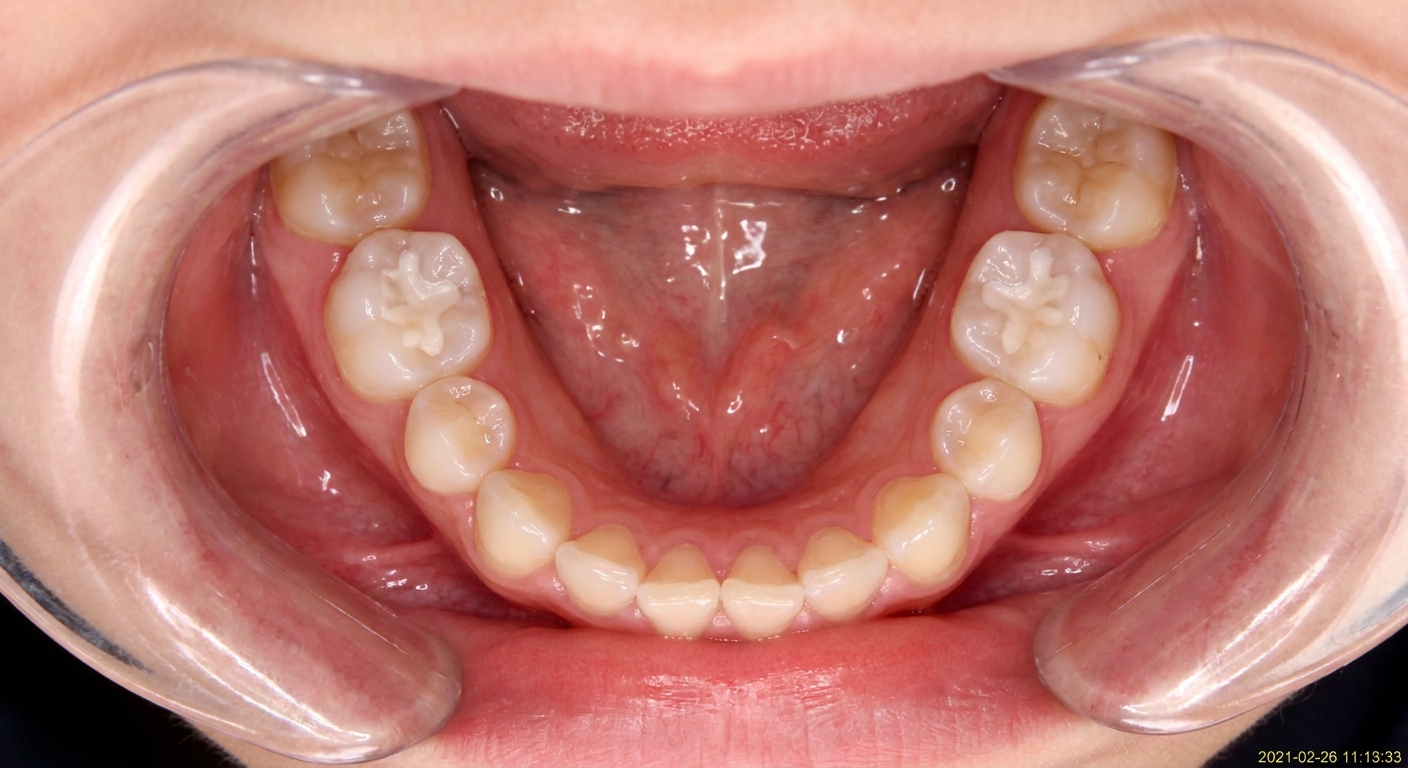
Intraoral photos, radiographs when they will change what we do, and clinical notes go into your child's chart at every visit. Nothing has to be re-discovered six months later, and nothing depends on somebody remembering.

03 What is next

In writing, in your portal, before you would think to ask.

A member of our team writes a summary of that visit in plain English and attaches it to the record you can open at home. What we did, what we are watching, and what we expect to look at next time.

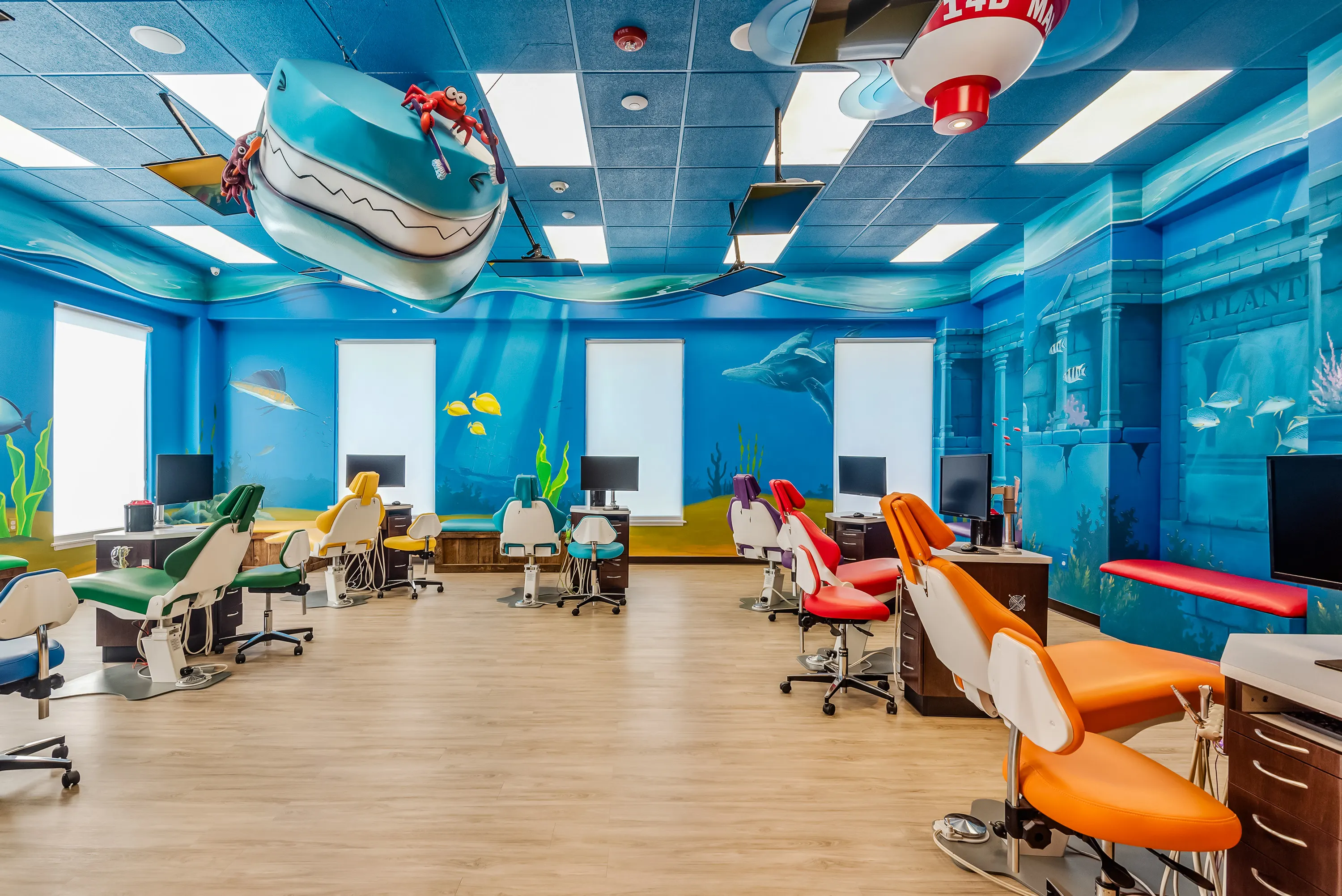
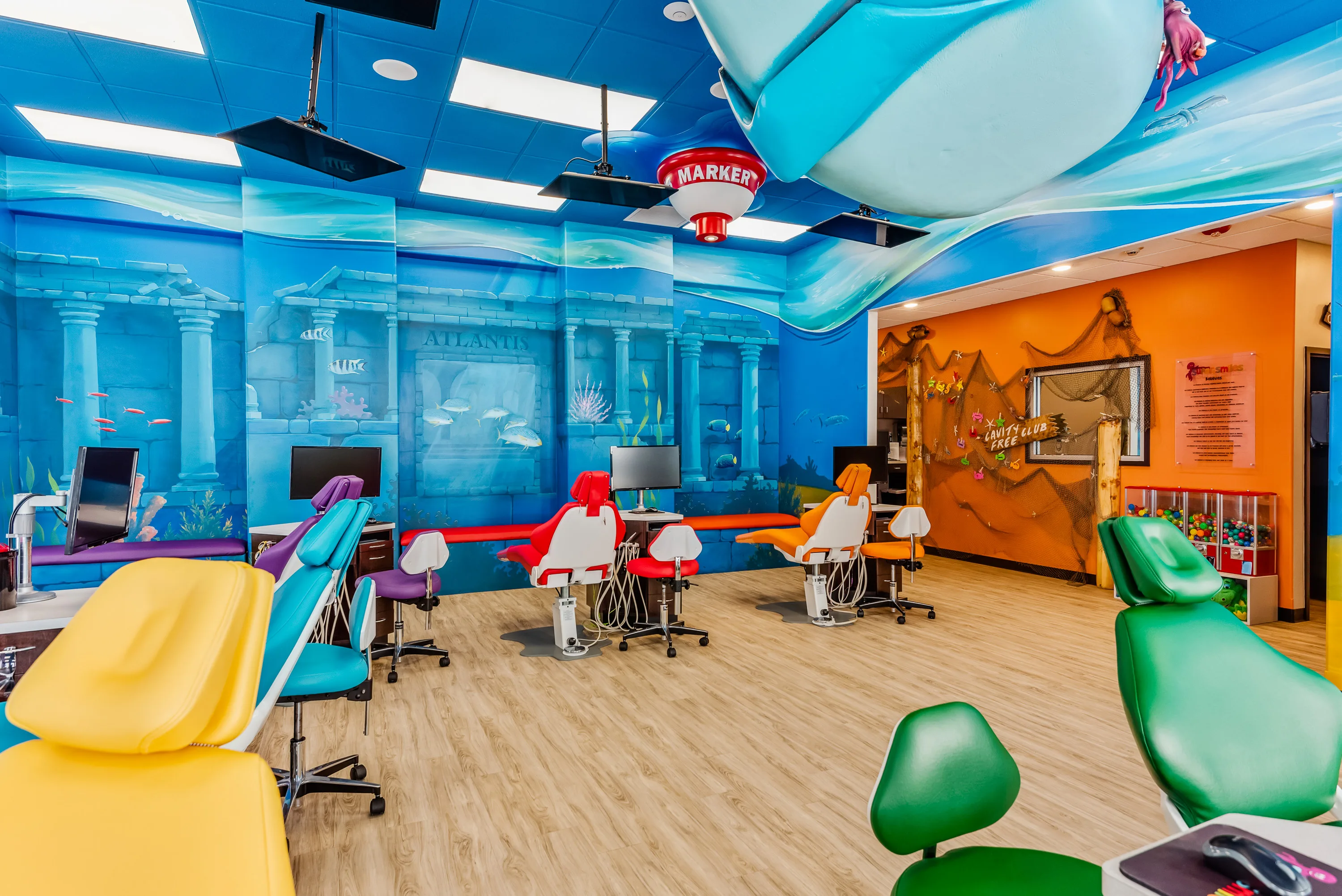
A Super Smiles treatment room with an undersea mural and the Cavity Free Club wall visible through the doorway
The documentation happens in the room, during the visit, not written up from memory afterwards.

Why this is possible here

One team, one roof.

Most pediatric practices refer out for orthodontics, surgery and complex treatment. We do not. Prevention, orthodontics and complex treatment happen in this building, on the same chart. See what we do here.

A protocol, not a program.

The pathway is how every visit in this office is structured, for every patient. It is not a package, there is nothing to enroll in, and there is nothing extra to buy.

The same plan, every family.

Whether your family pays cash, has private insurance, or is on ARKids. The child's needs set the plan. ARKids details.

4.9 stars from 367 Google reviews Care in English, Spanish, Vietnamese and Marshallese Meet the doctors
03 · By age

Find your child's age. See exactly what we are looking at.

Nineteen years, one year at a time. Some years a milestone lands. Most years we are watching, and we will tell you that plainly rather than invent a reason to do something.

Phase 1 Ages 0-3

First Smiles

The smile starts before they can spell their name.

What we do
Lap exams knee to knee with you, eruption tracking, lip and tongue tie screening, white spot lesion detection, feeding and habit guidance, fluoride as appropriate.
What you will feel
Calm. We are teaching you, building your child's comfort with the chair, and catching anything early before it becomes anything at all.
What we are catching
Tongue ties affecting feeding and speech. Bottle and sippy cup decay patterns. Habits that will shape the bite for years.
Phase 2 Ages 4-6

Big Kid Visits

The first big-kid visit.

What we do
Full cleaning, comprehensive exam, first x-rays when they will change what we do, sealants on permanent molars as they come in, fluoride, and brushing conversations directly with your child.
What you will feel
Proud, and a little surprised. This is the visit where the pirate ship and the rope gym hideout become memories your child asks to come back for.
What we are catching
Decay between baby teeth. Thumb sucking and oral habits that affect the bite. Eruption timing that flags orthodontic considerations later.
Phase 3 Ages 7-12

Big Decisions

The orthodontic decision window.

What we do
A documented orthodontic evaluation at age seven for every patient. Jaw growth monitoring, crowding, crossbite and airway tracking, panoramic imaging when it will change what we do, and identification of impacted or missing teeth.
What you will feel
Clear. If early treatment is needed you get a written timing plan, not a sales pitch. If it is not, you get a written reason why we are watching and waiting.
What we are catching
Crossbites that are simpler to correct while the palate is still growing. Crowding that is manageable now and surgical later. Airway and breathing patterns affecting sleep and growth. Impacted or missing permanent teeth.
Phase 4 Ages 13-19

Lasting Smiles

The smile they take into adulthood.

What we do
Comprehensive orthodontic treatment if indicated, wisdom teeth evaluation, and the first real conversations about vaping risk and oral piercings. Habits review as they leave home.
What you will feel
Confident, that the plan you started when they were one year old has done what it was supposed to do.
What we are catching
Wisdom teeth crowding the alignment we just earned. Vaping related lesions and gum recession. Decay risk patterns that will follow them into adult dentistry.
Infant First Smiles · Ages 0-3 ★ First dental visit

The first visit, by the first birthday.

What we check

  • Lip and tongue attachments that can interfere with feeding
  • The first teeth as they come in, and the gums around them
  • How your child is feeding, and what happens at night

What we are watching for

  • A tongue tie tight enough to affect feeding now and speech later
  • Early white spots on the front teeth, the first visible stage of decay

At home: Wipe the gums after the last feeding of the day, and start brushing the moment the first tooth appears.

Visits: A first visit by age one, then we set the rhythm together.

If your child has a tooth, or is about to turn one, this is the visit to book.

Ask us about infant
Age 1 First Smiles · Ages 0-3

Getting comfortable, in your lap.

What we check

  • Eruption pattern and spacing of the front teeth
  • Signs of bottle or sippy cup decay
  • Lip and tongue attachments, again, now that more has come in

What we are watching for

  • Decay patterns that follow a bottle at naps or overnight
  • Anything that makes eating or speaking harder than it should be

At home: Move away from the bottle at sleep times. Water only after brushing.

Visits: Short, friendly visits, mostly on your lap.

One year olds do great here. The visit is shorter than you think.

Ask us about age 1
Age 2 First Smiles · Ages 0-3

The back teeth arrive.

What we check

  • The first molars and the surfaces between them
  • Habits, including thumb, finger and pacifier
  • How brushing is going at home, honestly

What we are watching for

  • Decay starting between teeth that have just closed their contacts
  • Grinding, and whether it is the normal kind

At home: Brush for them, not with them. Two minutes, twice a day, and you do the work at this age.

Visits: Every six months for most children at this age.

Two is a great age to get a baseline, before anything is urgent.

Ask us about age 2
Age 3 First Smiles · Ages 0-3

A full set of baby teeth.

What we check

  • All twenty primary teeth and the bite they make together
  • Speech patterns, and whether the mouth is part of the story
  • Airway signs: mouth breathing, snoring, restless sleep

What we are watching for

  • An airway concern noticed now changes how the next ten years unfold
  • Habits that are starting to move teeth rather than just being habits

At home: Tell us if your child snores or sleeps with their mouth open. Parents rarely think to mention it, and it matters.

Visits: Every six months, and your child can usually sit in the chair alone now.

If your three year old snores or mouth breathes, mention it when you call.

Ask us about age 3
Age 4 Big Kid Visits · Ages 4-6

The first big-kid visit.

What we check

  • A full cleaning and comprehensive exam
  • Spacing between the baby teeth, which predicts crowding later
  • Habits that are still going, and whether they need a plan

What we are watching for

  • No spacing between baby teeth, an early signal that permanent teeth will be crowded
  • Decay between the back teeth, where a toothbrush does not reach

At home: Start flossing where the back teeth touch. That is the one place brushing cannot reach.

Visits: Every six months.

Four is when visits start feeling like a routine instead of an event.

Ask us about age 4
Age 5 Big Kid Visits · Ages 4-6

A watching year.

What we check

  • The same full exam and cleaning
  • Any loosening front teeth, and whether the timing is normal
  • Brushing technique, now with your child doing more of it

What we are still watching

  • Permanent teeth getting ready underneath, and whether there is room

At home: Keep doing what you are doing. Check their brushing at night even when they insist they have it.

Visits: Every six months.

Nothing new starts at five, which is exactly what we want to be able to tell you.

Ask us about age 5
Age 6 Big Kid Visits · Ages 4-6 ★ Sealants on the first permanent molars

The first permanent molars come in.

What we check

  • The first permanent molars, which arrive behind the baby teeth without anything falling out
  • Whether those molars are ready to be sealed
  • The front teeth starting to change over

What we are watching for

  • Deep grooves in a brand new molar, which is the most cavity prone it will ever be
  • Permanent front teeth coming in behind the baby teeth

At home: Watch for the new back teeth. Most parents never notice them arrive because nothing falls out first.

Visits: Every six months, and this is usually when sealants go on.

If your child is six, the next thing on the pathway is sealants on those first permanent molars.

Ask us about age 6
Age 7 Big Decisions · Ages 7-12 ★ Documented orthodontic evaluation

The orthodontic evaluation year.

What we check

  • Jaw relationship, crowding, and crossbites, documented
  • Whether the permanent teeth have room to come in
  • Airway and breathing patterns as the face grows

What we are watching for

  • A crossbite that is far simpler to correct while the palate is still growing
  • Crowding that is manageable now and surgical later
  • Permanent teeth that are missing, impacted, or coming in the wrong direction

At home: Nothing yet. This is the year to get the evaluation on paper so the timing is not left to chance.

Visits: Every six months, plus a documented orthodontic evaluation this year.

Seven is the year the evaluation happens. Most children need watching, not braces.

Ask us about age 7
Age 8 Big Decisions · Ages 7-12

Front teeth settle in.

What we check

  • How the new permanent front teeth are sitting
  • Whether last year's evaluation is still reading the same way
  • Decay risk, which changes as diet and independence change

What we are watching for

  • A bite that is drifting rather than settling

At home: If your child plays a contact sport, ask us about a mouthguard. The permanent front teeth are in now.

Visits: Every six months.

Eight is a good year to sort out a sports mouthguard before you need one.

Ask us about age 8
Age 9 Big Decisions · Ages 7-12

A watching year, with one exception.

What we check

  • Continued jaw growth and arch width
  • The canines, which are still years away but already moving
  • Airway and habit patterns

What we are still watching

  • Arch width, because some corrections depend on growth that has not finished yet

At home: Keep flossing on the agenda. Nine year olds are independent enough to skip it and not tell you.

Visits: Every six months.

If we flagged expansion at seven, nine is often when the window is still open.

Ask us about age 9
Age 10 Big Decisions · Ages 7-12

The back baby teeth start to go.

What we check

  • The change from baby molars to permanent premolars
  • Space, and whether it is being lost as teeth come out
  • Second permanent molars getting ready behind the first

What we are watching for

  • Space closing after a baby tooth is lost early, which crowds the permanent tooth behind it

At home: Tell us if a back baby tooth comes out well before the others. That is the one worth a call.

Visits: Every six months.

Ten is when space management matters most, and it is easy to miss at home.

Ask us about age 10
Age 11 Big Decisions · Ages 7-12 ★ Pre-orthodontic records

Records, and the real orthodontic conversation.

What we check

  • A full picture of where the permanent teeth are and where they are going
  • Whether treatment should start now, later, or not at all
  • The second permanent molars as they arrive

What we are watching for

  • Canines that are heading the wrong way, which is far easier to redirect now

At home: Ask us to show you the images. This is the visit where seeing it makes the decision obvious.

Visits: Every six months, plus pre-orthodontic records if treatment is on the table.

Eleven is usually when the orthodontic decision gets made, one way or the other.

Ask us about age 11
Age 12 Big Decisions · Ages 7-12

Most of the permanent teeth are in.

What we check

  • The full permanent bite, minus the wisdom teeth
  • Sealants on the second permanent molars
  • Hygiene, which gets harder if braces are on

What we are watching for

  • Decay around brackets, which happens fast and leaves marks that stay

At home: If braces are on, brushing is not optional at any point in the day. The marks left behind are permanent.

Visits: Every six months, more often during orthodontic treatment.

Twelve is when the second molars need sealing, braces or not.

Ask us about age 12
Age 13 Lasting Smiles · Ages 13-19

Independence, and what it costs.

What we check

  • The permanent bite as it settles
  • Gum health, which changes at this age
  • Whether hygiene has quietly gotten worse

What we are watching for

  • The first real cavities of the teenage years, which usually track a change in snacking

At home: This is the age where they take over. Keep an eye on whether that transition actually happened.

Visits: Every six months.

Thirteen is when hygiene slips quietly. A checkup catches it before it costs anything.

Ask us about age 13
Age 14 Lasting Smiles · Ages 13-19

A watching year.

What we check

  • Bite stability, especially after orthodontic treatment
  • Retainer wear, if there is one
  • Wisdom teeth beginning to form

What we are still watching

  • Teeth drifting back, which is what happens when a retainer lives in a drawer

At home: If there is a retainer, it only works if it is worn. Ask to see it.

Visits: Every six months.

Fourteen is mostly maintenance, which is a good place to be.

Ask us about age 14
Age 15 Lasting Smiles · Ages 13-19

The conversations get real.

What we check

  • Gum health and any recession
  • Signs of vaping, and the effect it has on the mouth
  • Wisdom tooth position as it becomes clear

What we are watching for

  • Vaping related lesions and dry mouth, which we see and parents usually do not
  • Oral piercings and the gum damage that follows them

At home: We will talk to your teenager directly about vaping. You are welcome to be in the room or not.

Visits: Every six months.

Fifteen is when we start having these conversations with your teenager, not just with you.

Ask us about age 15
Age 16 Lasting Smiles · Ages 13-19

A watching year.

What we check

  • Bite and retention
  • Decay risk as schedules and diets get less supervised
  • Wisdom teeth, now clearly positioned

What we are still watching

  • Wisdom teeth crowding the alignment that was just earned

At home: Nothing new. Keep the six month rhythm going through the busy years.

Visits: Every six months.

Sixteen is a keep-going year. The wisdom tooth question comes next.

Ask us about age 16
Age 17 Lasting Smiles · Ages 13-19 ★ Wisdom tooth evaluation

The wisdom tooth decision.

What we check

  • Whether the wisdom teeth have room, and which direction they are heading
  • Whether removal is indicated, and if so when
  • The overall bite before adulthood

What we are watching for

  • Impacted wisdom teeth, which get harder to remove the longer they sit

At home: If removal is recommended, ask about timing around school. It is usually flexible.

Visits: Every six months, plus wisdom tooth evaluation.

Seventeen is the year to settle the wisdom tooth question, and we can do the removal here.

Ask us about age 17
Age 18 Lasting Smiles · Ages 13-19 ★ The record transfers to your child

The record becomes theirs.

What we check

  • The full adult bite
  • Anything that should be handed forward to adult care
  • Habits worth carrying into their twenties

What we are watching for

  • Decay risk patterns that will follow them into adult dentistry

At home: Your portal access ends on their eighteenth birthday. The record does not end, it becomes theirs.

Visits: Every six months.

At eighteen your child can set up their own portal account and take the record with them.

Ask us about age 18
Age 19 Lasting Smiles · Ages 13-19 ★ Handoff to adult care

Nineteen years, in one place.

What we check

  • A final look before adult care
  • The complete record, start to finish
  • What comes next, and who is doing it

What we are watching for

  • Nothing new. This is the handoff.

At home: Nineteen years of photographs of one smile. Most adults have never seen a single picture of their own childhood teeth.

Visits: The last visit on the pathway, and the first of the rest.

This is where the pathway ends, with a record almost nobody their age has.

04 · The parent portal

Everything we wrote down about your child, in your pocket.

This is the part that does not exist at most dental offices, and it is what makes the problem above solvable rather than just annoying.

Somebody typed this about your child, by hand.

The summary attached to each visit is not generated and it is not a template. A member of our team writes it, in plain English, about your child specifically, and it lands in your account with the photos from that day.

It is the thing you were never handed on the way out, given to you afterwards instead.

What we wrote for you · May 11, 2026

"Cleaning and exam today, no cavities. Sealants placed on both lower permanent molars now that they are fully in. We are watching one spot on the upper right that is not a cavity yet. Next visit we will check it again and take a look at how the front teeth are coming in."

An example, not a real patient.

Demonstration Not a real patient
Super Smiles · I-19 demo@example.com

Demo patient

Sample Child

Age 6 · 7 visits

The pathway so far

Phase 1 First Smiles Ages 0-3
Phase 2 Big Kid Visits Ages 4-6
Phase 3 Big Decisions Ages 7-12
Phase 4 Lasting Smiles Ages 13-19

A phase fills in once there are visits on file inside it. The outlined one is where your child is now.

May 11, 2026 Phase 2

4 bitewings, 2 periapical · 4 images

What we wrote for you

Cleaning and exam today, no cavities. Sealants placed on both lower permanent molars now that they are fully in. We are watching one spot on the upper right that is not a cavity yet. Next visit we will check it again and take a look at how the front teeth are coming in.

November 3, 2025 Phase 2

20 camera · 6 images

What we wrote for you

Cleaning and exam, everything healthy. First permanent molars are starting to come through at the back. Once they are fully erupted we will seal them. Brushing looked good, we spent some time on the back teeth together.

Every visit, newest first. The summary is typed by a member of our team about your child specifically. It is not generated.

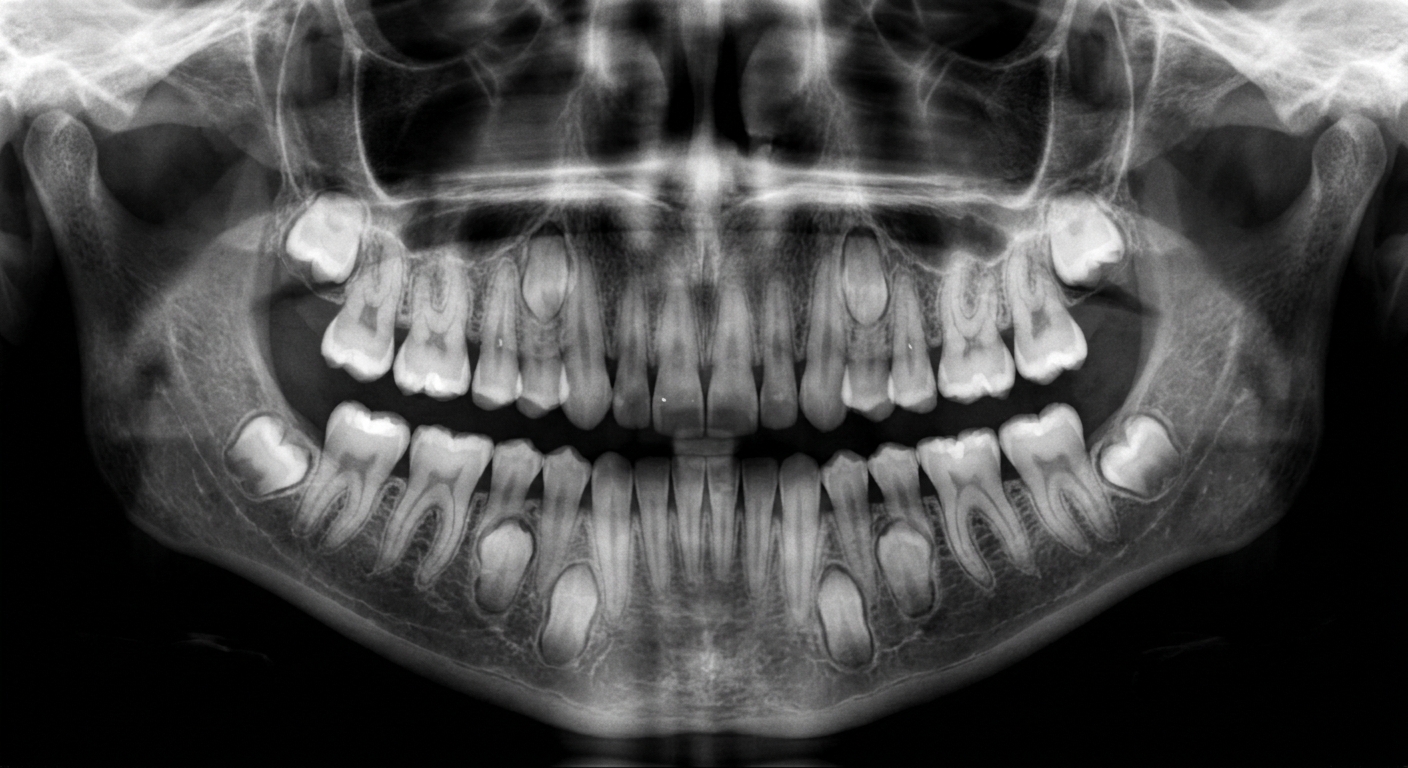
A demonstration radiograph shown inside the portal walkthrough. Not a real patient.

4 bitewings, 2 periapical · May 11, 2026

Tap any thumbnail to see it full screen. Intraoral photos are shared with you by default. Radiographs stay hidden unless your child's dentist opens them for you, visit by visit.

Your children

Sample Child, 6 Second Child, 11 Third Child, 15

Access is granted per child, not per family, so it matches whatever your situation actually is. On a child's eighteenth birthday their record stops appearing here and becomes theirs.

What is in your account today

Portal features as of July 2026.

In your account

Every visit, newest first

The date, what was done, and a summary a member of our team wrote by hand, in plain English, about your child specifically.

In your account

The photos and x-rays we share with you

Intraoral photos from each visit, full screen. Radiographs stay hidden unless your child's dentist opens them for you, visit by visit.

In your account

Where your child is on the pathway

The four phases fill in as visits accumulate, so you can see the record building rather than just a list of appointments.

In your account

All your children, one login

Switch between them. Access is granted per child, not per family, so it matches whatever your situation actually is.

What we are building next

We built the portal in house, so the list of what it does keeps growing. Here is what we are working on and what we have not started. We would rather show you the list than pretend it is finished.

  • What we are watching for next Building now, expected this fall

    The milestone coming up for your child's age, and roughly when it lands, so the next visit is not a surprise.

  • Your next appointment Building now, expected this fall

    When it is, and what we plan to check while your child is in the chair.

  • The treatment plan No date yet

    What is recommended, why, and what it costs before you are asked to decide.

  • Download or share the record No date yet

    For a new dentist, an orthodontist, or a school form.

  • Forms and consents before you arrive No date yet

    So the waiting room is for waiting, not paperwork.

  • Message the office No date yet

    For the questions that come up between visits.

  • Reset your own password No date yet

    Today the front desk issues a new activation code instead. This is on the list.

Who can see it, and how we know it is you.

  • Set up in person, with photo ID. Not online, and not with a name and a birthday. Anybody can know those.
  • A code that works once. Handed to you at the desk, good for three days, and you choose the password yourself. We never see it.
  • Granted per child, not per family. So it matches your actual situation, including when that is complicated.
  • Every view is logged. Each time the record is opened, we have a record of that too.
  • At 18, it becomes theirs. Access ends automatically on their eighteenth birthday, because at eighteen the record belongs to your child. They can set up their own account and take nineteen years with them.

How to get access

  1. Ask at the front desk

    We check your photo ID and set up your login while you are standing there.

  2. Take your code

    A short activation code, handed to you in person. It works once and expires after three days.

  3. Pick your password

    You set it yourself on the sign in page. We never see it.

05 · Questions

The ones parents actually ask.

Do all kids need early orthodontic treatment?

No. Many children who get an orthodontic evaluation at age seven simply need monitoring, and that is the most common outcome. The evaluation exists to find the smaller group whose bite, jaw width, or airway will get harder to treat if nothing is done before the adult teeth finish coming in. If your child is in that group, you get a written timing plan. If they are not, you get a written reason why we are watching and waiting.

Are you trying to sell braces?

No. Most seven year olds we evaluate do not start treatment. We do the evaluation at seven because that is when the information exists, not because that is when treatment starts. When we do recommend early treatment we put the reason in writing, and you are welcome to take that written plan anywhere for a second opinion.

Why do dentists start watching for orthodontic problems around age 7?

Because by seven the first permanent molars and front teeth are usually in, which is the earliest point where jaw relationship, crowding, and crossbites can be assessed reliably. Some conditions, a crossbite needing expansion for example, are much simpler to correct while the palate is still growing.

Can we just wait until all the adult teeth come in?

For many children, yes, and that is exactly what we will tell you. For a smaller group, waiting is what turns a manageable problem into a surgical one, because some corrections depend on growth that has already finished by the mid teens. The point of looking at seven is to know which group your child is in rather than finding out at fourteen.

What is the I-19 Pathway?

I-19 stands for infant to nineteen. It is one documented plan your child stays on from their first visit through the last one before adulthood. At every appointment we check what is appropriate for their age, document what we found with intraoral photos and clinical notes, and tell you what is next. It is not more appointments, it is the same appointments with a record attached.

How do I see my child's dental records and x-rays?

Through the parent portal. Your account is set up in person at the office after we check your photo ID, and it shows each visit with the date, the photos we took, and a plain English summary written by a member of our team. Radiographs stay hidden unless your dentist opens them for you, visit by visit. Access is granted per child, and every time the record is viewed it is logged.

How often does my child actually need to be seen?

About every six months for most children, and we will tell you if yours needs a different interval. The pathway is not more visits than a normal checkup schedule. What changes is that each visit has a specific job for that age rather than being a repeat of the last one.

Do you take ARKids?

Yes, both ARKids First-A and ARKids First-B. The I-19 Pathway is the same plan whether your family pays cash, has private insurance, or is on ARKids.

What languages do you speak?

English, Spanish, Vietnamese, and Marshallese. Dr. Jensen speaks Spanish, Dr. Hoang speaks Vietnamese, and a member of our team speaks Marshallese. If you would be more comfortable in one of those, say so when you call and we will schedule you with the right person.

What happens to the record when my child turns 18?

Your portal access ends automatically on their eighteenth birthday, because at eighteen the record belongs to them. They can set up their own account. Nineteen years of photographs of their own smile is something most adults have never had.

More answers in our common questions library, including first visits, broken brackets and knocked out teeth.

Start your child's record.

We will tell you where your child is today and what the next stretch of their pathway looks like. There is nothing to enroll in and nothing extra to buy.